
Fusion_01
-
Публикации
368 -
Зарегистрирован
-
Посещение
Все публикации пользователя Fusion_01
-
ал меним 5 гепигмиде ) торбада пишик вар озуде гара !
-
 Вот вот, покажи настоящее лицо, без маски !!! А армяне уже не те, что были раньше. Они хорошо освоили уроки жизни. У меня к тебе вопрос - если тебе один раз укусит собака (которая хвостиком виля подходит к тебе, мол он твоы верный дружок и hamp), что ты будешь делать? Вот и правильно, мы тоже держим палку в руках. вот ты здес прав про собаку ! россия хозяин а про сабаку не буду сказат ты сам наверника поймёш потом ! а палку вам на руку дал кремил ,что охраняй ! а еше унас есть такой погаворка (собаку не трогают ради хозяина ) или же (ите сахибне горе вурмулар )
 -
Ну да, и Армения в том же ряду. Мы тоже вот уже 90 лет надеемся вернуть себе земли Западной Армении, как мы называем современную Восточную Турцию. И что? Вернули? Заметьте, что мы потеряли в десять раз больше, чем Вы - Западная Армения это и была собственно Армения, а Восточная была отсталой и малозаселенной. Большинство армян мира ведут свой род именно оттуда. Это я к тому, что Западная Армения важнее для армян, чем Карабах для азербайджанцев. Самое смешное в том, что то, что военного решения конфликта не существует (потому что Карабах без полной этнической чистки Азербайджану не занять никогда), лучше всего понимает именно руководство Азербайджана. Вот сами подумайте: кто Вам разрешит чистить Карабах от армян? А без этого, как Вы добьетесь, чтобы Карабах вошел в состав Азербайджана? Единственно возможное мирное решение одно: армяне Карабаха 1) должны жить там, где родились 2) не должны подчиняться Баку 3) должны иметь связь с Арменией 4) должны быть уверены, что их не "кинут" лет через 20. Все. Больше никаких условий никто не выдвигает, и остается большое пространство для маневра. Территориальная целостность Азербайджана на данном этапе может быть сохранена, например, созданием конфедерации (естественно, это будет простая формальность для сохранения лица). Зато лет через 20-30, после утихания вражды, азербайджанцы смогут спокойно приезжать в Карабах, думаю, что и с проживанием проблем не возникнет. Небольшая цена за Кельбаджар и другие районы, я думаю. А если нет - тогда Карабах в ХУДШЕМ случае ждет судьба Северного Кипра - никто их не признал, а они живут себе, не тужат, и плевать хотели на ЕС и США, при всем при том что на их стороне - только Турция, а против - Греция, у которой в США лобби не хуже еврейского, и ЕС. Ну а в лучшем случае (для армян) будет повторение косовского сценария, и Вы уже не вернете себе и того, что можете вернуть сейчас. Потом будет поздно. а ты все чешыш про выдуманый армянский историее! ну хватить уже расказат тут сказка , здес сидит вызрослые люди они уже давно не верит сказки ! вы сами всево то 3 миллона насиление сабиралис хозайинчат всему кафказу как будто это это не хватило успели на турця тоже глаз полажит)))
-
возможно таки будеть !
-
если бы не: Сербия которая не может вернуть Косово Грузия которая не может ернуть Осетию и Абхазию Молдавия которая не может вернуть Приднестровьэ Сомали которая не может вернуть Сомалиленд Босния которая не может вернуть Серпксу Краину Банья Лука Западная Сахара которя никак не может освободиться от Морокко Испания которая не может вернуть себе Гибралтар их нелзя сравнивать снами !
-
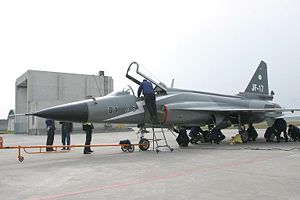
А в Абхазии их никто не сбивал. Они сами упали. Воздух оказался для израильских беспилотников не той системы. ну вот а огенян запарилса обетом думат ты успакой его скажи всеравно у нас с израилом разны погода и климыты разное пуст спакойно спит ! а еше передай что еше 13 штук JF-17 купили ))

-
извеняюс и-нет лагает !
-
отлично, я только что хотел налогичную тему выдвинуть. мне ооооочень интересно КАКУЮ мину скорчат сейчас в правительстве Азербайджана комментируя именно первое условие? опять скажут что: мы ещё не исчерпали все мирные методы.... позорники одним словом. не могу не согалистса стабой брат ! Во первых ничего особенного а тем более нового в этой статье НЕТ!единственное изменение в тоне Армении это ответ на силовое решение!-Мужики а вы что думали переговоры идут о статусе в рамках Азербайджана????? -вот поэтому говорю что вы плохо читаете прессу или читаете только свою! -Цена вопроса может даже не статус.....почитайте мои посты.там мнения моего нет но есть "размышления"о том что цена вопроса:вернут армяне районы или и это ещё не филмин сону?!и кому именно нужна война... с дохлой почти экономикой и слабой от блокады РА или с такой же экономикой(но с нефтью) АзР?Для чего нужна война Азербайджану и для чего (они не хотят) нужна война и Армении? война нужень Азербайджана если даже не победим! серж так не говарил пока не был в кремле , сам понимаеш зинвор в чем дело ! в мире нет фтарой такой республика как Азербайджан не может вернут свой землю ! народ наш гатов войну ну дела в этом что власт не хочет ! мне не приятно как любой Азери когда слышу что арменин говарит о том что как они победили или же Азербайджанцы все труссы! у нас економика позваляет начат войну ! я не вижу Азербайджана с дохлым економикой!
-
арм юзеры обратите винимание это говарит амерканец !!! Интервью с автором книги "Армения: великий обман - секреты государства "христианского терроризма" Самюэль Уимс. - Как зародилась у вас идея написать книгу об Армении? - Когда я приступал к работе над книгой, у меня не было никаких мыслей становиться на чью-либо позицию - Азербайджана, Турции. Знакомый конгрессмен рассказал мне о докладе конгресса США, в котором говорилось о том, что правительство США выделяет миллионы долларов в виде помощи Армении, а эта страна использует их вместе с военной помощью от России с целью захвата территорий своих соседей. Я попросил его прислать мне копию этого доклада. Я не мог не заинтересоваться этой информацией, поскольку являюсь налогоплательщиком. Из доклада мне стало ясно, что армянская сторона использовала деньги американских налогоплательщиков, мягко говоря, не по назначению. А если говорить конкретно, то получается, что деньги шли на террористическую деятельность, а это не по-американски. - В США вам угрожали армянские националисты... - Они посылали мне электронные письма с такими угрозами. Когда же я начал публиковать эти угрозы, то армянская ассамблея в США начала кампанию против меня. Однако их претензии были настолько бессмысленными, что через некоторое время они сами перестали их выдвигать. Это была чисто армянская тактика угрожать и запугивать для достижения своих целей. Но я не хочу молчать и знаю многих, кто готов противостоять этому. - К вашему мнению прислушиваются в США? - Я разговаривал с людьми, представляющими мой штат Арканзас в конгрессе США. Они проявили глубокий интерес к моей книге. До меня по этому поводу выступали некоторые профессора американских университетов, к примеру, Стенфорд Шоу, Джастин Маккартни и др. Но они писали научные издания и статьи в основном для ограниченного круга людей, то есть специалистов. Моя же книга доступна среднему американцу. И я написал ее специально для американских налогоплательщиков-христиан. Американцам нужно услышать о том, что я узнал. - Какой была реакция американцев на вашу книгу? - 5000 экземпляров были распроданы уже через два месяца. Мы не ожидали такого результата и я думаю, что он говорит сам за себя. Теперь во время второго издания мы собираемся провести турне по всему США, которое будет сопровождаться презентациями, встречами и выступлениями. - Где вы работали ранее? - Я на пенсии, и это одно из преимуществ для того, чтобы писать книги. До выхода на пенсию я занимал посты судьи и прокурора. А до этого работал как активист фонда при американском госпитале. - Какими источниками вы пользовались при написании книги? - 95% моей книги составляют материалы, полученные из армянских источников. В частности, я использовал материалы из армянских и русских архивов. Есть такой армянский историк в США, доктор исторических наук Агани Ованесян, который написал 4-томный труд об истории Армении на деньги американских налогоплательщиков. Его книги были изданы университетом Калифорнии в Лос-Анджелесе. Но, к сожалению, этот историк, похоже, даже не удосужился проверить факты, которые приводятся в его книгах. Все мы знаем, что дважды два четыре. Но у этого научного деятеля свой метод исчисления. К примеру, в одной главе книги он пишет о безжалостном убийстве свыше миллиона армян турками. Здесь же он приводит данные со ссылкой патриарха армянской церкви, что в то время в восточном регионе Турции проживали 1,3 млн. армян. Получается, что если свыше одного миллиона армян погибло, то максимальное число выживших не должно превышать 300 тысяч человек. В следующих же главах д-р Ованесян пишет о миллионе беженцев, бежавших из Турции после резни... Очевидно, что этот так называемый историк написал не что иное, как пропагандистский труд. Самое обидное, что это происходит сплошь и рядом, когда американцев водят за нос всякие проходимцы, наподобие Ованесяна. Разве хороший историк напишет такое? - Какой была реакция армянских пропагандистов, когда вы заявили о подобных противоречиях в их "научных трудах"? - Они просто отрицают все. Я так понимаю, у них своя методика расчетов, когда они считают каждого погибшего армянина вдобавок ко всему еще и беженцем. Таким образом, они фальсифицируют цифры, с тем, чтобы приравнять события 1915 года к Холокосту. - После написания книги вы наверняка стали ощущать поддержку со стороны турецкой диаспоры в США? - Действительно она поддерживает меня. Но я думаю, после выхода моей второй книги меня начнут поддерживать и другие национальные общины США, в частности еврейская. Наверное, евреям будет интересно узнать, что более 100 тысяч армян во время второй мировой войны, находясь в составе отрядов Третьего рейха, принимали участие в уничтожении евреев. С 1935 по 1945 год в Берлине существовала радиостанция под названием "Армения", которая вещала на Армению, пропагандируя политику Гитлера. Кстати, о многом говорит и этнический состав Армении - более 95% жителей этой страны составляют сами армяне. - Каковы ваши планы на будущее? - Я приехал в Азербайджан из Турции. Там я встречался с руководителями некоторых университетов, в том числе Босфорского и Стамбульского университетов. Дело в том, что государственный университет штата Арканзас намерен основать институт мира имени Ататюрка, цель которого - мир во всем мире. Я собираюсь пригласить и представителей азербайджанских вузов, чтобы они подключились к этому проекту. Речь идет о межуниверситетском сотрудничестве США, Турции, Азербайджана и Грузии и других стран во имя достижения мира. Мы надеемся, что это даст толчок созданию и других подобных организаций.
-
отлично, я только что хотел налогичную тему выдвинуть. мне ооооочень интересно КАКУЮ мину скорчат сейчас в правительстве Азербайджана комментируя именно первое условие? опять скажут что: мы ещё не исчерпали все мирные методы.... позорники одним словом. не могу не согалистса стабой брат !
-
вот твой арм пресс ! http://www.state.gov/g/drl/rls/hrrpt/2007/100546.htm Armenia Country Reports on Human Rights Practices - 2007 Released by the Bureau of Democracy, Human Rights, and Labor March 11, 2008 Armenia is a constitutional republic with a population of approximately 3.2 million. The constitution provides for an elected president and a unicameral legislature (the National Assembly). The May parliamentary elections failed to fully meet international standards due to procedural flaws, despite improvements over past elections. The country has a multiparty political system. Civilian authorities generally maintained effective control of the security forces, although some members of the security forces committed human rights abuses. The government's human rights record remained poor, and serious problems remained. Citizens were not able to freely change their government; authorities beat pretrial detainees; the National Security Service (NSS) and the national police force acted with impunity; authorities engaged in arbitrary arrest and detention; prison conditions were cramped and unhealthy, although slowly improving; authorities imposed restrictions on citizens' privacy, freedom of press, and freedom of assembly. Journalists continued to practice self-censorship, and the government and laws restricted religious freedom. Violence against women and spousal abuse remained problems, as well as trafficking in persons, discrimination against persons with disabilities, and societal harassment of homosexuals. There were reports of forced labor. RESPECT FOR HUMAN RIGHTS Section 1 Respect for the Integrity of the Person, Including Freedom From: a. Arbitrary or Unlawful Deprivation of Life The government and its agents did not commit any politically motivated killings; however, the government reported that during the year, there were three army homicides and four suicides which were judged as resulting from military-related hazing. Human rights groups dealing with soldiers' rights asserted that most of the suicides in the army were homicides. The groups noted that officers frequently tampered with evidence in an effort to restore order in their units and possibly to eliminate incriminating evidence. Family members of Hovhannes Meltonyan, a soldier who reportedly had committed suicide on July 7, suspected that his death was a homicide. The family noted that the body of Meltonyan, who had been serving in the Koghb military unit in the Tavush region, had numerous bruises. At year's end, one military officer was in custody under criminal charges of inducement to suicide in connection with the case, after authorities' investigation concluded that Meltonyan committed suicide as a result of abuse inflicted by the defendant. Ethnic Armenian separatists, with Armenia's support, continued to control most of the Nagorno-Karabakh region of Azerbaijan and seven surrounding Azerbaijani territories. Landmines placed along the 540‑mile border with Azerbaijan and along the line of contact in the Nagorno-Karabakh conflict continued to cause bodily harm. During the year there were no deaths caused by landmine explosions; however, nine military servicemen were injured. There were no reports of civilian deaths caused by landmines, although a civilian reportedly lost a leg in a landmine explosion that occurred on May 13 in Ijevan. According to official information six military personnel were killed and 22 were injured along the line of contact due to shooting from the Azerbaijani side. There were high-profile killings by unidentified assailants during the year. On August 25, an unknown person shot and killed the chief prosecutor of the Lori region, Albert Ghazaryan, who was on his way home. An investigation was ongoing at year's end. On April 2, unidentified assailants attacked Gyumri Mayor Vartan Ghukasyan and his entourage with automatic weapon fire as they returned from Yerevan to Gyumri. Three of the mayor's bodyguards and the driver of one of the two cars died in the attack, and the mayor and his deputy sustained serious injuries. On March 7, authorities arrested a suspect in the September 2006 death of a senior tax official, who was killed by a bomb hidden under the seat of his car. The case was still in progress at year's end. b. Disappearance There were no reports of politically motivated disappearances. c. Torture and Other Cruel, Inhuman, or Degrading Treatment or Punishment While the law prohibits such practices, they were employed by some members of the government's security forces. Witnesses continued to report that police beat citizens during arrest and during interrogation while in detention. Human rights nongovernmental organizations (NGOs) reported similar allegations; however, most cases of police mistreatment went unreported because of fear of retribution. Human rights groups reported that more than half of the individuals transferred to prisons from police detention facilities alleged that they were tortured, abused, or intimidated while in police custody. Drawing on data collected in 2006, the Partnership for Open Society Initiative, composed of human rights NGOs, reported in June that the main purpose of torture in the country was to extort confessions. Courts generally accepted defendants' confessions as valid evidence, even when it was questionably obtained. The report also noted that approximately 80 percent of criminal trial defendants recanted testimony given during pretrial investigation, claiming they had confessed under torture or duress. The criminal justice system generally disregarded such claims and conducted little or no investigation. On May 12, authorities reported the death in custody of Levon Gulyan, a witness to a gunfight that occurred May 9 near Gulyan's restaurant. Police initially reported that Gulyan fell to his death while trying to escape out of a second story window of the police station. Gulyan's family, their lawyers, and human rights activists claimed that police at the scene threw Gulyan out the window or off the roof. Gulyan's family noted that there were marks of violence on his body when he had returned home from previous interrogation sessions. Two other witnesses in the case, Marine Grigorian and Hayk Melkumian, also reported violence during their questioning. An independent autopsy requested by Gulyan's family found that he died from a fall but did not reveal his condition prior to the fall; some observers questioned the results of the independent autopsy, noting that the state autopsy resulted in the removal of some of Gulyan's vital organs. Prosecutors began a criminal investigation into the circumstances of Gulyan's death under a provision of the Criminal Code that criminalizes "actions inducing a person to suicide," thereby ostensibly limiting the potential crimes that could be investigated. On May 16, the police also launched a separate internal investigation into the case, and reportedly subjected two police officers to disciplinary actions. Following the August 25 killing of Lori chief prosecutor Albert Ghazaryan, human rights activists and the media reported numerous instances of police violence and intimidation during the investigation of the killing. On September 7, police arrested Arman Darpinian, the owner of the Bellissimo Club and allegedly a suspect in the killing, on charges of illegal arms possession. Prosecutorial investigators reportedly then beat and threatened five club employees, forcing several to sign statements without showing them the content. Club manager Karen Dodoyan was held in custody for three days and required hospitalization for a concussion upon release, according to his family. Another club manager, Ashot Ghukasyan, was also beaten and detained for two days. Other employees were verbally abused and threatened. On September 13, the prosecutor general ordered an inquiry into these reports of brutality; however, by year's end the status of this inquiry was unclear. Darpinian was released from custody on October 24. On November 13, the officers of the police department on fighting organized crime reportedly severely beat Artavazd A., breaking his ribs and causing other injuries. The government human rights defender, who reported the case, visited Artavazd A. on November 29 when he was being transferred to the hospital with a "brain stroke" diagnosis. The human rights defender appealed to the national police chief to start an investigation into the circumstances of the abuse. By year's end the status of the case was unclear. On November 20, the office of the human rights defender reported its visit to Nubarashen Prison the day before to meet with a detainee who alleged that, from October 5 to October 7, the criminal investigation officers of Mashtots community police in Yerevan had severely beat him before he was transferred to prison. According to the detainee, the beating continued even after he had confessed the theft he had committed, since the police officers wanted him to confess to other undisclosed crimes. The staff of the human rights defender's office saw the injuries, which were also recorded in the journal of the Nubarashen Prison. The human rights defender appealed to the police chief to conduct an internal investigation in order to reveal and punish the perpetrators. By year's end the status of the case was unclear. On December 13, the Council of Europe's Committee for the Prevention of Torture (CPT) published a report on its visit to the country in April 2006. The CPT maintained its assessment that persons deprived of their liberty by the police in Armenia run a significant risk of being mistreated. In the course of the 2006 visit, the CPT delegation received numerous and consistent allegations of physical mistreatment of persons detained by the police. Almost all of these allegations were made by remanded prisoners (including women and juveniles) who had recently been in police custody. The alleged mistreatment consisted mainly of slaps, punches, kicks and striking with truncheons, wooden sticks or chair legs. Some allegations of abuse also involved beating on the soles of the feet and asphyxiation using a plastic bag. The alleged abuse was reported almost exclusively as occurring during the period of initial interviews by police officers, with the aim of the abuse reportedly being to obtain confessions, statements or other information. Additionally, several persons interviewed by the delegation (including women and juveniles) gave accounts of unacceptable psychological pressure put on them in order to make them confess to a crime, in the form of insults, humiliation and threats to use physical force or sexual violence against them or their relatives or friends. Customs within the military and substandard living conditions in the armed forces contributed to mistreatment and injuries unrelated to military operations. Although no reliable statistics were available on the full extent of military hazing, soldiers reported to human rights NGOs that the practice continued during the year. The families of soldiers claimed that corrupt officials controlled military units. Other human rights monitors reported cases in which soldiers were conscripted into army service despite having serious disqualifying health conditions. Authorities took limited measures to curtail these practices, convicting 37 military personnel in connection with criminal cases of hazing during the year. On July 7, platoon commander Garik Mikayelyan tried to kill himself by electrocution. The unsuccessful attempt resulted in the amputation of both his hands. According to a human rights group, Mikayelyan's suicide attempt stemmed from alleged hazing by the head of his unit, Artak Gasparyan. Prosecutors indicated they had found evidence to substantiate that he had subjected Mikayelyan to inhumane treatment. At year's end Gasparyan was in jail awaiting trial on charges of inducing suicide, as the criminal investigation continued. A soldier reported in February 2006 that fellow servicemen raped him while they were on active duty. The status of the case was unknown at year's end. At year's end criminal charges remained in place against three soldiers accused of murdering two fellow servicemen in 2003; sentences for the three were nullified by the Court of Cassation in a December 2006 decision. The murder case was based on the confession of Razmik Sargisian, a soldier who claimed that he confessed involvement in the killings after military investigators and military police had physically abused him for five days, suspending him by his hands, beating him, and threatening him with rape if he did not confess to the killings. Sargisian's confession implicated two other soldiers, and the court of first instance had sentenced all three to 15-year terms in May 2005. Following an unsuccessful appeal, the Court of Appeals extended their sentences to life in prison in May 2006. In December 2006 the Cassation Court nullified the previous convictions of the soldiers on the grounds that the original investigation had not been conducted lawfully; the court subsequently ordered their release and sent the case for further investigation. The investigation was closed, and at year's end both sides were preparing for trial. The three defendants remained free pending conclusion of the reinvestigation. Meanwhile, the chief military prosecutor reported that a criminal investigation into the abuse allegations was closed, after finding no evidence that investigators abused Rasmik Sargsian. Prison and Detention Center Conditions Prison conditions remained poor and threatened inmates' health, although the Civil Society Monitoring Board (CSMB), an organization established by government initiative involving prison monitoring by NGO personnel, reported some improvements as authorities began to renovate old prisons. Cells were overcrowded, inmates lacked basic hygiene supplies, and food quality remained poor. The CSMB reported that prisoners were at high risk of contracting tuberculosis, and adolescents held in juvenile facilities rarely received the schooling required by law. The CSMB reported other chronic problems, including denial of visitor privileges, medical neglect, and in some cases, physical abuse. According to observers, most instances of abuse of prisoners and detainees by law enforcement authorities occurred in police offices, rather than in police detention facilities which are subject to human rights monitoring. In its November 2006 report, the CPT noted allegations that detainees had spent up to 10 days in various police district divisions in Yerevan without mattresses, blankets, and food other than that supplied by relatives. In its December report, the CPT said it observed an improvement in police holding areas that had been refurbished, or were in the process of refurbishment in 2006. Mattresses, blankets, and food were supplied to detainees at the facilities that CPT observed. The CPT reported deficiencies, however, in the Vanadzor, Sisian, and Yeghegnadzor police departments, namely small cell space, cold temperatures, and lack of hot water. During the year authorities opened a new prison in Vanadzor and completely renovated the prison in Artik, bringing both facilities in line with international standards. In late 2006 and early 2007, authorities closed prisons in Vanadzor and Gyumri, considered the country's two worst. Corruption in prisons continued to be a problem, exacerbated by very low salaries for prison administration employees, poor and sometimes dangerous working conditions, and a lack of staff. In certain facilities prisoners bribed officials to obtain single occupancy cells and additional comforts. There were also unverified reports that authorities charged unofficial fees to family members and friends seeking to deliver meals to inmates. In some prisons monitors noted that prisoners had difficulty mailing letters and that some prison officials did not adequately facilitate family visits. Despite the transfer of all prisons to the jurisdiction of the Ministry of Justice between 2001 and 2003, the NSS continued de facto to operate the Yerevan-Kentron prison, located on NSS property; the facility was often used to hold pretrial detainees and sentenced prisoners whose cases were politically sensitive. There were reports that NSS monitored communications of prisoners held in this prison, including their meetings with attorneys. The government permitted local NGOs and international rights groups, including the International Committee of the Red Cross (ICRC), to monitor conditions in prisons. The ICRC was permitted to visit both prisons and pretrial detention centers and did so in accordance with its standard modalities. Authorities continued to permit personnel of the CSMB to visit prisons without giving advance notice. A separate Public Monitoring Group monitored police detention facilities. d. Arbitrary Arrest or Detention The law prohibits arbitrary arrest and detention; however, in practice authorities continued to arrest and detain criminal suspects without warrants. Role of the Police and Security Apparatus The national police are responsible for internal security, while the NSS is responsible for national security, intelligence activities, and border control; both organizations report directly to the prime minister. The police and the NSS continued to lack training, resources, and established procedures to implement reforms or to prevent incidents of abuse. Prisoners reported that police and NSS authorities did little to investigate allegations of abuse. As a result, impunity remained a serious problem. Corruption remained a significant problem in the police force and security services, but reform efforts continued, mainly in the area of traffic control and criminal investigations. The police continued to implement procedures established in November 2006 to curb corruption at roadside checkpoints. The government also established a new system of paying traffic fines to reduce opportunities for bribes, and the frequency of bribe-taking appeared to decrease during the year. There was no dedicated mechanism for investigating police abuse. By law citizens may sue police in court. The government reported that during the year citizens lodged four complaints against police for mistreatment of detainees. The police opened internal investigations into these complaints; the status of the investigations was unclear at year's end. The prosecutor's office launched one criminal case into an instance of mistreatment of detainees, which was ongoing at year's end. The government reported that police conducted 16 internal investigations into misconduct by on-duty police officers during the year. Based on these investigations the government reported that during the year 23 police officers received administrative penalties (compared to 20 in 2006) including removal of 21 officers from the police service. The prosecutor's office opened 13 criminal cases based on the internal investigations which resulted in nine convictions. Four cases were ongoing at year's end. By law detainees may file complaints prior to trial to address alleged abuses committed by authorities during criminal investigations; however, detainees must obtain permission from police or the prosecutor's office to obtain a forensic medical examination needed to substantiate a report of physical abuse. Human rights NGOs reported that authorities rarely granted such permission. The government enacted a major reorganization during the year, transferring primary responsibility for criminal investigations from the prosecutor general's office to various police agencies. Some 200 full-time criminal investigators were transferred from the prosecutors' service to police agencies by the end of the year. The move was intended to improve institutional checks and balances in the judicial system. Beginning in March, a pilot community policing project designed to facilitate cooperation between police and the general public was initiated by the Organization for Security and Cooperation in Europe (OSCE) at the Arabkir district police department in Yerevan. In August 2006 police opened a community justice center in Vanadzor with help from the local affiliate of the international NGO, Project Harmony. During the year, the center offered counseling to first-time juvenile offenders and brought local police into public schools for community outreach. Arrest and Detention Prosecutors and police must first obtain a warrant from a judge to detain an arrested suspect in excess of 72 hours. Although judges rarely denied police requests for arrest warrants, police at times made arrests without a warrant on the pretext that detainees were material witnesses rather than suspects. The law provides that a detainee must either be indicted or released within three days of arrest, and this procedure was usually followed in practice; however, there were cases when police skirted this requirement by alleging that suspects were material witnesses, or that they were simply "invited for a discussion." The law provides for a bail system; however, in practice, most courts denied requests for bail in favor of detention. The law also requires police to inform detainees of their right to remain silent, to make a phone call, and to be represented by an attorney from the moment of arrest and before indictment (including state-provided lawyers for indigent detainees). In practice police did not always abide by the law. They often questioned and pressured detainees to confess prior to indictment and in the absence of counsel. Police sometimes restricted the access of family members and lawyers to detainees. Lengthy pretrial detention remained a problem. According to the law, a suspect may not be detained for more than 12 months, but some defendants were in pretrial detention for three or more years. The government reported that during the year, pretrial detainees constituted on average about 691 persons of a prison population of nearly 3,532. e. Denial of Fair Public Trial The law provides for an independent judiciary; however, despite structural changes initiated in 2006 that still continue and have resulted in a somewhat greater independence, courts remained subject to political pressure from the executive branch, and judicial corruption was a serious problem. The law provides for a three-tier court system, including the courts of first instance, the Review Court, and the Court of Cassation. Cases originate in courts of first instance; appeals are lodged with the Review Court and the Court of Cassation. There is a specialized economic court, which serves both as first instance and review court for civil cases of an economic character. The Constitutional Court rules on the constitutionality of legislation, approves international agreements, and rules on election-related questions. A July 2006 law provided citizens with the right to appeal to the Constitutional Court. During the year 1,296 citizens appealed to the Constitutional Court, out of which the court accepted 60 cases for further review. The Council of Justice is responsible for recommending candidates for all judgeships, who are then appointed by the president, who continued to retain a highly influential role over judicial branch personnel. The council also nominates candidates for the chairmen of courts on all three levels and their chambers, and subjects judges to disciplinary proceedings for misconduct. The president and the National Assembly each appoint two scholars to the council, and the General Assembly of Judges elects the remaining nine members from among themselves by secret ballot. On July 24, the Constitutional Court ruled that sending back criminal cases for additional investigation was unconstitutional; the court then declared invalid all the relevant provisions of the Criminal Procedural Code. As a result, trials must end either by acquittal or guilty verdicts, effectively ending the practice of holding defendants indefinitely for "additional investigation" when underlying cases are weak. On July 16, the first instance court chaired by Judge Pargev Ohanian of Kentron and Nork Marash Community of Yerevan fully acquitted and ordered the release of two businessmen, owner Gagik Hakobyan and top executive Aram Ghazaryan of the Royal Armenia company, arrested in 2005 for smuggling, tax evasion, and fraud. The businessmen claimed that the Customs Security Service was corrupt and, together with the NSS, had fabricated the case against them. On September 11, in response to an appeal by the prosecutor's office, the review court overturned the first instance court's decision and restarted criminal cases against the two businessmen, placing one of them in custody. On November 29, the review court found the two businessmen guilty on all charges, sentencing Gagik Hakobyan to six years' imprisonment and Aram Ghazaryan to two years in prison, with the confiscation of half of the defendants' property. However, the court capped the financial damages penalty at no more than $1.5 million (455 million drams) in material damages caused to the state and $556,000 (167 million drams) to a private company in compensation of financial damages it suffered. Since Ghazaryan had already spent almost two years in prison, the court released him immediately, crediting time already served, and also reduced Hakobyan's term by two years for the same reason. On October 15, acting upon the recommendation of the Council of Justice, the president terminated Judge Ohanian's judicial appointment, allegedly for a series of violations while adjudicating a number of civil and criminal cases. Some observers charged that the president's move was in retaliation for Judge Ohanian's acquittal of the businessmen. On June 28, the European Court of Human Rights (ECHR) made its first ruling against Armenia, stating that the right to a fair trial had been violated in the case of Misha Harutyunyan. In 1999, while serving in the military, Harutyunyan was accused of killing a fellow serviceman and sentenced to 10 years in prison. The ECHR noted that the applicant and two witnesses had been coerced into making confessions, a fact which domestic courts confirmed when the police involved in the case were convicted of mistreatment. Trial Procedures The law generally requires that trials be public, but it permits exceptions, including when a trial's secrecy is in the interest of "morals," national security, or for the "protection of the private lives of the participants." Juries are not used. A single judge issues verdicts in courts of first instance, and panels of judges preside over the other courts. Defendants generally have the right, and are generally required, to be present at their trials, but this requirement also has many exceptions. They have the right to counsel of their own choosing, and the government is required to provide them with defense counsel upon request; however, this obligation was frequently not honored in regions outside of Yerevan, where there often were not enough defense lawyers. Defendants also commonly refused free counsel due to the poor quality of the public defenders, or the perception that public defenders colluded with prosecutors. Defendants may confront witnesses and present evidence, and they and their attorneys may examine the government's case in advance of the trial. Both defendants and prosecutors have the right to appeal court rulings. Judges generally granted defendants' requests for additional time to prepare cases. The law provides for the presumption of innocence; in practice, however, this right was not observed. Court statistics released in August 2006 indicated that less than 1 percent of court cases resulted in acquittals. However, these statistics did not reflect the many cases that judges remanded to the prosecutor's office for lack of evidence, and that prosecutors dropped and never sent back to court. In effect, there were instances when prosecutors lost their cases during the year. There were widespread reports that prosecutors and police used confessions that were obtained through methods that some NGOs characterized as torture. Defense lawyers may present evidence of torture to overturn improperly obtained confessions; however, defendants, their attorneys, and NGOs often stated that judges and prosecutors refused to admit such evidence into court proceedings, even when the perpetrator could be identified. Political Prisoners and Detainees In December 2006 law enforcement authorities arrested Zhirayr Sefilian and Vardan Malkhasyan, the leaders of a small hard-line opposition group called the Alliance of Armenian Volunteers, on charges of "public calls for the overthrow of the constitutional order by force" and illegal possession of arms. According to the NSS, Sefilian and his supporters were planning to use force to influence political developments in the country ahead of the May parliamentary elections. Human rights observers charged the arrest was politically motivated and that authorities used the controversial article of the Criminal Code to intimidate the opposition ahead of the May elections. The evidence against Sefilian and Malkhasyan consisted of texts of speeches that they had made in December 2006 during the founding session of the newly established Alliance of Armenian Volunteers. On August 6, the court sentenced Malkhasyan to two years in prison. The court, however, cleared Sefilian on the charges of public calls for violence, and sentenced him instead to 18 months in prison only for illegal possession of arms. Both the defendants and prosecutors appealed the verdicts, with the former denouncing the case as politically motivated. On September 25, a review court in Yerevan upheld the verdicts. On May 7, the NSS arrested Alexander Arzumanyan, a former foreign minister, prominent member of the Armenian National Movement Party, and head of the small opposition group called the Civil Disobedience Movement. Arzumanyan, who was charged with money laundering, called the arrest politically motivated and denied any illicit activity; he was supported by many human rights activists. Authorities seized more than $50,000 (15 million drams) in cash from Arzumanyan's home at the time of his arrest. On September 6, the NSS released Arzumanyan on his own recognizance. Charges remained pending at year's end. Arman Babajanian, the editor of the opposition newspaper Yerevan Zhamanak, who was arrested in June 2006 and charged with document forgery and evasion of military service, remained in prison. He was convicted in September 2006. Babajanian admitted his guilt, but his four-year sentence was widely considered harsher than normal in such incidents, and some observers charged that he was the victim of selective enforcement. On January 12, an appeals court upheld his guilty verdict but shortened his sentence by six months. During the year the court twice rejected his appeals for release on parole in August and December. Civil Judicial Procedures and Remedies The same courts hear civil and criminal cases. Citizens had access to courts to bring lawsuits seeking damages for, or cessation of, a human rights violation; however, the courts were widely perceived as corrupt, and potential litigants in civil cases often evaluated the advisability of bringing suit on the basis of whether they or their opponents had greater resources with which to influence judges. Citizens also had access to the government human rights defender's office, and as of 2006 were given access to the Constitutional Court when they judged that their constitutional rights were not being protected. During the year none of the residents of the more than 100 homes in downtown Yerevan, which were razed to make way for a new boulevard and private development, won their court cases in which they protested their evictions and the amount of compensation they had received. Despite the Constitutional Court's ruling in April 2006 that the 2002 government decision authorizing such demolitions violated the constitution, no remedies were offered. On June 7, the ECHR initiated a settlement in one such case, Chghlyan vs. Armenia, when the government agreed to pay $150,000 (45 million drams) compensation in exchange for the claimant dropping the ECHR complaint. f. Arbitrary Interference with Privacy, Family, Home, or Correspondence The constitution prohibits unauthorized searches and provides for the right to privacy and confidentiality of communications; however, the government did not always respect these rights in practice. By law, judges may authorize authorities to wiretap a telephone or intercept correspondence only after being presented with compelling evidence; however, the law was not strictly enforced in practice, and some judges arbitrarily granted permission. Although free expression and secrecy of private communication are protected by the constitution, the Russian-language newspaper Golos Armenii in April published two editorials quoting from, and negatively characterizing, a conversation between opposition party chairman Artur Baghdasarian and a foreign diplomat. The conversation was alleged to have been clandestinely recorded. The primary state-run H1 television channel presented the first editorial verbatim in its main news program, and did not give the opposition party leader an opportunity to respond. Government authorities said they would investigate, but had not done so by year's end. Police occasionally maintained surveillance of draft-aged men to prevent them from fleeing the country. On June 22, a Yerevan court ordered prosecutors to launch an investigation into the complaints filed by the Heritage Party in 2006 alleging illegal hacking, among other things, of party computers by state authorities. The investigation was ongoing at year's end. Section 2 Respect for Civil Liberties, Including: a. Freedom of Speech and Press The constitution provides for freedom of speech and freedom of the press, but the government generally did not respect these rights in practice. There were incidents of violence, intimidation, and self‑censorship in the press. On August 18, at the opening of the Fourth Pan-Armenian Games held in Yerevan, police reportedly prevented several citizens from distributing leaflets to participants and spectators that called for the release of jailed government critics. According to media reports, police briefly detained and later released the three individuals, but confiscated the leaflets they had been distributing. At the closing ceremony of the Pan-Armenian Games on August 26, police reportedly prevented family members of Levon Gulyan, who died on May 12 in police custody under suspicious circumstances, from distributing leaflets to participants. According to media reports, police at the scene, saying the allegations contained in the leaflets discredited the police force, confiscated the leaflets, and threatened with arrest those who did not voluntarily hand over the leaflets. On October 30, police filed criminal charges against two opposition editors, Nikol Pashinyan of Haykakan Zhamanak and Shogher Matevosyan of Chorrord Ishkhanutyun, both of whom participated in an opposition march on October 23 that was broken up by riot police. The charges included "hooliganism committed by a group" and "violence against a representative of the authorities." By year's end the case against the editors was still pending. After airing on October 14 a September 21 speech by presidential candidate and former president Levon Ter-Petrosyan critical of the government, Gyrumi-based independent Gala TV reportedly came under intense scrutiny by various government authorities in an effort to shut down the station or bring the reporting content of the station in line with the state-controlled media. On October 31, the State Tax Service (STS) began an audit into the company, announcing in advance of the audit in a newspaper interview on October 25 that the company had violated tax regulations. On November 14, the STS accused Gala TV of evading about $86,000 (26 million drams) in taxes over the last two years. Gala's parent company, Chap, rejected the accusation, and said the audit's findings were politically motivated. STS followed up its audit with a request to the Economic Court to freeze Gala's bank accounts and assets. Although the request was initially rejected, it was granted a week later when the Economic Court stated STS had provided additional documents to support its request. In addition, STS accused Gala TV of illegally using a state-owned television tower for its broadcasts. The mayor of Gyumri appealed to the Economic Court to force the removal of Gala's transmitter from the tower. Gala appealed to the court, contesting the STS audit results. All cases against Gala were pending at year's end. On November 6, during the STS audit of Gala TV, one of the inspectors attacked a cameraman videotaping the audit process, choking him and trying to take the camera away. Following a complaint by the cameraman, the police started an investigation into the case, but decided on November 30 not to open criminal proceedings. Gala TV applied to the prosecutor general's office contesting the police decision on December 24. On December 6, tax inspectors confiscated thousands of newly printed leaflets ordered by the "Alternative" opposition political movement, announcing an opposition rally to be held in Yerevan on December 8. According to reports, Artak Arakelyan, an opposition activist, was taken into custody for six hours and fined $50 (15,000 drams) on the grounds that he had no documents certifying the origin of the fliers. STS personnel also inspected the Van Arian printing company's books and briefly detained one of its employees. On December 13, the office of the opposition newspaper Chorrord Ishkhanutyun was rocked by an explosion, which its editor in chief linked to its critical coverage of the government. The explosive device was planted at the entrance of the office and went off early in the morning, damaging the door and some office furniture. No one was present at the time of the explosion, which occurred well before working hours. The police launched an investigation into the case, which was ongoing at year's end. In December 2006 authorities arrested Zhirayr Sefilian and Vardan Malkhasyan, members of the political opposition, for speeches they made during a political gathering, alleging that the latter were planning to stage a coup. Most newspapers were privately owned, with the exception of government-sponsored Hayastani Hanrapetutyun and its Russian-language version, Respublika Armenia. The print media pursued stories vigorously and expressed a wide variety of views without restriction, but no media outlet was completely independent of patronage from economic or political interest groups or individuals. Newspaper circulation was very limited, and most of the population relied on television and radio for news and information. There were 14 radio and 42 television stations, most of them privately operated. Private television stations generally offered news coverage of good technical quality; however, the substantive quality of news reporting on television and radio varied. Most stations were owned by progovernment politicians or well connected businessmen, factors that prompted journalists to engage in self-censorship. Major broadcast media outlets generally expressed progovernment views. All Armenian TV and radio stations avoided editorial commentary or reporting critical of the government. A1 Plus, the last politically independent television station to operate in the country, still remained without a frequency at year's end. A1 Plus went off the air after the government revoked its frequency in 2003, a move many observers at the time viewed as politically motivated. A1 Plus, which has unsuccessfully filed 12 applications for radio or television licenses since 2003, did not file an application during the year. During the 40-day preelection period leading up to the May 12 parliamentary elections, broadcast media outlets were more generous in the coverage they allocated to opposition politicians than in past years. Several were given the opportunity to speak about their programs and positions. Public television adhered to the legal requirement to provide two minutes of free airtime daily to each party registered to contest the election, and these broadcasts aired without editorial restrictions. Nevertheless, based on its media monitoring efforts, the OSCE reported that the enhanced coverage was devoid of critical comment by television media. From October until mid-December, TEAM Research Center, with the support from the Armenian affiliate of the Open Society Institute Assistance Foundation and the Yerevan Press Club, conducted monitoring of broadcast media in anticipation of February 2008 presidential elections. During the year two interim reports were published covering the months of October and November. The report revealed strong bias in coverage of two presidential candidates, Prime Minister Serzh Sargsian and former president Levon Ter-Petrosyan. More specifically, the prime minister, who received abundant coverage in his official c.city, received mostly positive and sometimes neutral coverage, while Ter-Petrosyan received predominantly negative, and on rare occasions, neutral coverage. International media outlets generally operated freely. In July public radio informed Radio Free Europe(RFE)/Radio Liberty that it had adopted a new policy regarding foreign broadcasting and would no longer carry foreign programming. Radio Liberty was the only foreign programming on Public Radio, and also the only radio broadcaster known to air viewpoints critical of the government. RFE/Radio Liberty subsequently signed an agreement to expand its programming on a private channel that has less national coverage than Public Radio. In June a Yerevan court convicted journalist Gagik Shamshian of fraud and embezzlement, and sentenced him to a suspended 30-month prison term with a two-year probation period. The court also ordered him to pay $580 (200,000 drams) to a private plaintiff. This followed a 2006 incident in which Shamshian went public with allegations directed at a local political leader's family, which he later retracted after being physically assaulted. Police assaulted journalists during the year. On May 9, while dispersing a preelection rally organized by the Impeachment Bloc, a grouping of several opposition parties, police officers assaulted two reporters, Tsovinar Nazarian from Hayastani Hanrapetutiun, and Gagik Shamshian, a freelance journalist who worked for opposition papers. Police attempted to confiscate Shamshian's camera but were prevented from doing so by rally participants. The police used tear gas on Nazarian as she attempted to film the police activities. On October 25, Gohar Veziryan, a female journalist from Chorrord Ishkhanutyun was reportedly hospitalized with a concussion suffered during the break-up of a march on October 23, where police had used tear gas and batons. Unidentified perpetrators also harassed and intimidated journalists during the year. In January unidentified arsonists set fire to the car of Suren Baghdasaryan, the editor of the weekly Football Plus. A similar arson attempt occurred in February 2006 after Baghdasaryan commented on an Armenian team's failure to play against an Azerbaijani team. Police promptly launched an investigation; however, the arsonists had not been found by year's end. On February 8, unidentified arsonists set fire to the car of Ara Saghatelyan, director of the Panorama.am internet news portal and editor of the privately owned Im Iravunk weekly. A police investigation was ongoing at year's end. On September 15, two unidentified assailants attacked and beat with metal bars Hovhannes Galajyan, the editor in chief of the opposition Iskakan Iravunk newspaper; Galajyan was hospitalized from his injuries. The Prosecutor General's Office promptly launched an investigation, but there were no new developments by year's end. Galajyan had suffered a similar such attack in September 2006, but investigators never identified or apprehended the perpetrators. Arman Babajanian, the editor of the opposition newspaper Yerevan Zhamanak, who was convicted in September 2006 of document forgery and evasion of military service, remained in prison. Babajanian admitted his guilt, but his four-year sentence was widely considered harsher than normal in such incidents, and some observers charged that he was the victim of selective enforcement. On January 12, an appeals court upheld his guilty verdict but shortened his sentence by six months. During the year, the court twice rejected his appeals for release on parole in August and December. Internet Freedom There were no government restrictions on access to the Internet or reports that the government monitored e-mail or Internet chatrooms. Individuals and groups could engage in a peaceful expression of views via the Internet, including by e-mail. Internet cafes were widely available in the cities, although local Internet service provider connections were often too slow to be useful. Academic Freedom and Cultural Events In general the government did not restrict academic freedom or cultural events. However, on March 15, the administration of Yerevan State University dismissed lecturer Sasun Saribekyan, allegedly for criticizing authorities during lectures and facilitating a meeting between his students and an opposition figure. b. Freedom of Peaceful Assembly and Association Freedom of Assembly The constitution provides for freedom of assembly, but there were some limits on this right in practice. Organizers are not required to obtain a government permit to stage a rally or demonstration but are required to notify authorities in advance of their plans for such events. Political parties generally demonstrated freely in Yerevan during the parliamentary and presidential campaign seasons, though there were some instances of local authorities denying permission for public rallies. There were also locations, such as military installations and sensitive power generation facilities, where persons could not demonstrate without permission. The law empowers police to break up illegal rallies and demonstrations, particularly those that encourage violence and the overthrow of the government. On May 9, the police forcibly dispersed an unsanctioned opposition rally in front of the NSS building; eyewitnesses said riot police used batons and tear gas. Several eyewitnesses from among the opposition reported that the police use of violence was brief, and that more senior police officers moved quickly to negotiate a peaceful resolution with opposition leaders. On October 23, riot police dispersed an opposition march using force and tear gas, detaining 12 activists as they were announcing through loudspeakers the date of an opposition rally in support of Levon Ter-Petrosyan. There were reports that government authorities hindered political party meetings and pressured property owners to evict opposition parties from meeting facilities. Some opposition parties reported that during the parliamentary campaign season local authorities created obstacles to political gatherings in the regions, including urging people not to attend such assemblies, or arranging electrical failures at meeting halls. Freedom of Association The constitution provides for freedom of association, and the government generally respected it in practice. However, registration requirements for all political parties, associations, and secular and religious organizations remained cumbersome. The law stipulates that citizens have the right to form associations, including political parties and trade unions, except for persons serving in the armed services and law enforcement agencies. c. Freedom of Religion The law provides for freedom of religion; however, there were some restrictions in practice. The Armenian Apostolic Church is considered the national church and enjoys some privileges not available to other faiths. The law does not mandate registration of NGOs, including religious groups. However, only registered organizations have legal status and may publish more than 1,000 copies of newspapers or magazines, rent meeting places, broadcast programs on television or radio, or officially sponsor visas for foreign visitors, although there is no prohibition on individual members doing so. There were no reports of the government refusing registration to religious groups. The law also requires all religious organizations except the Armenian Apostolic Church to obtain prior permission to engage in public religious activities. The law prohibits but does not define "proselytizing" and bans foreign funding for foreign-based churches, but neither restriction was enforced. During the year members of the Jehovah's Witnesses reported two instances where they were unable to obtain shipments of religious literature due to customs issues. On March 29, customs officials in Yerevan reevaluated a shipment of religious periodicals received by the Jehovah's Witnesses at a significantly higher rate than the group expected, making it financially difficult for them to arrange clearance of the shipment. Customs officials maintained that the reevaluation was in accordance with the customs code, which makes no special provision for religious or other literature intended for free or low-cost distribution. Unable to resolve this matter, the Jehovah's Witnesses obtained permission to return this first shipment to Europe in June. In the same month, they received a second shipment, which was pending customs clearance at year's end, again because of the high duties leveled. The Jehovah's Witnesses reported that they have visited customs officials and sent letters to various government authorities to seek the release of the shipment, to no avail. Although the country has a law providing alternative service for conscientious objectors, the military services themselves administer the alternative service, and members of Jehovah's Witnesses refused the alternative program for that reason. Since 2005 there have been no applications for alternative service. According to lawyers for Jehovah's Witnesses, as of year's end 70 of their members were in prison, 67 were serving sentences, and three were awaiting trial. Five more had received suspended sentences. At the end of October, the Jehovah's Witnesses reported that conscientious objectors continued to encounter difficulties obtaining legal documents after they completed their jail terms. Although 10 individuals managed during the year to obtain relevant documents (passports, residential registrations, and military booklets), more than 60 individuals were unable to do so, despite complaints filed with authorities. Such documents are important for securing employment, as well as residency registration. Societal Abuses and Discrimination Societal attitudes toward most minority religions were ambivalent. Television outlets disparagingly labeled some denominations as "sects" in their broadcasting and aired negative programs about them. According to observers the general population viewed nontraditional religious groups with suspicion and expressed negative attitudes about members of Jehovah's Witnesses because of their proselytizing practices and refusal to serve in the armed forces. Members of Jehovah's Witnesses continued to experience occasional societal discrimination. In October members of Jehovah's Witnesses reported the ongoing placement of posters around Yerevan by a group called One Nation that denounced their church. The posters were periodically replaced with fresh copies. On June 1, two members of Jehovah's Witnesses in the village of Lusarat were verbally harassed and assaulted by a passing Armenian Church priest. The assaulted individuals agreed to drop charges pending the priest's apology, which never materialized. Police closed the case for lack of evidence after the priest denied the incident. On July 31, in Yerevan, an off-duty police major and his brother beat a husband and wife who were members of the Jehovah's Witnesses. A driver of a passing car and other bystanders stopped the beating. The couple filed complaints with the police, the prosecutor's office, and the human rights defender. Jewish community leaders estimated the community's size at between 500 and 1,000 persons. There is a resident rabbi and one synagogue. The Jewish community is accepted as an integral part of society. On December 17, Jewish community members discovered a small swastika drawn on the Hebrew side of the 14-month-old Joint Tragedies Memorial. For a more detailed discussion, see the 2007 International Religious Freedom Report. d. Freedom of Movement, Internally Displaced Persons, Protection of Refugees, and Stateless Persons While the law provides for freedom of movement within the country, foreign travel, emigration and repatriation, there were some restrictions in practice. The government cooperated with the UN High Commissioner for Refugees (UNHCR) and other humanitarian organizations in providing protection and assistance to refugees and asylum seekers. Corruption and an inefficient bureaucracy continued to hinder citizens' efforts to register changes in their status, including changes in official places of residence. To leave the country on a temporary or permanent basis, citizens must obtain an exit visa. Exit visas for temporary travel out of the country may be routinely purchased for approximately $3.00 (1,000 drams) for each year of validity. Visas may also be obtained later. There is an official 10‑day waiting period for visas, but officials commonly agreed to expedite them in exchange for bribes up to about $29 (10,000 drams). Citizens who attempted to depart the country without visas were not permitted to leave. The exit visa process was more difficult for citizens leaving the country permanently. The registration agency must deregister them, which entails sending queries to numerous other agencies to determine whether the citizen has any outstanding debts or obligations. The process commonly took several months to complete, and according to some citizens, authorities used the exit permit process to exact bribes which, by some accounts, totaled hundreds of dollars. Permission to depart the country permanently may be denied to persons who possess state secrets, are subject to military service, are involved in pending court cases, or who have outstanding financial obligations. Men of military age who have not completed service requirements must overcome substantial bureaucratic obstacles to travel abroad, including excessive delays in processing and officials soliciting bribes for exit stamps. The law does not prohibit forced exile, but there were no reports that the government used it. Internally Displaced Persons (IDPs) The Norwegian Refugee Council (NRC) found in a study released in 2005 that 8,399 IDPs lived in Armenia. The NRC confirmed that the number has not changed significantly since that time. During the country's war with Azerbaijan, the government evacuated approximately 65,000 households from the border region, but most returned to their homes or settled elsewhere. Of the remaining 8,399 IDPs, almost two-thirds could not return to their villages, which were surrounded by Azerbaijani territory, and others chose not to return due to socioeconomic hardships or fear of land mines. The government afforded full rights as citizens to IDPs, but did not directly undertake programmatic efforts to help integrate them; however, international organizations supported their adjustment. <H4 align=left>Protection of Refugees</H4> The law provides for the granting of asylum or refugee status to persons in accordance with the 1951 UN Convention relating to the Status of Refugees and its 1967 protocol, and the government has established a system for providing protection to refugees. The government granted refugee status and asylum during the year. In practice the government generally provided protection against "refoulement," the return of persons to a country where there is reason to believe they fear persecution. The government also provided temporary protection during the year to persons who may not qualify as refugees under the 1951 convention and the 1967 protocol. During the year, 266 persons applied for asylum and the government granted temporary asylum to 164 persons and refugee status to one person. Other cases were under review at year's end. The government cooperated with UNHCR and other humanitarian organizations in assisting refugees and asylum seekers. There was an established procedure for granting asylum which included the nonpenalization of illegal entry of an asylum seeker, and access to the territory for individuals seeking asylum. However, some delays and difficulties with refugee processing at airports and land borders arose due to frequent rotations of inexperienced border officials and little training on asylum procedures. International organizations asserted that Russian border guards usually came into first contact with would-be asylum seekers at the borders with Turkey and Iran, and in part at the main international airport in Yerevan, and often refused them entry without informing either the government or the UNHCR. The Russian guards, who operated on the basis of an agreement between the two countries, were gradually being phased out from the Yerevan airport during the year. Section 3 Respect for Political Rights: The Right of Citizens to Change Their Government Although the law provides citizens with the right to change their government peacefully, that right was restricted in practice due to repeated flaws in the conduct of elections. <H4 align=left>Elections and Political Participation</H4> The elections to the National Assembly were held May 12. The OSCE's Office for Democratic Institutions and Human Rights (ODIHR) election observation mission stated that the elections demonstrated improvement, and were conducted largely in accordance with international standards, though shortcomings remained. While the authorities acted to address a number of previous shortcomings, other issues were not sufficiently addressed, notably those related to the procedural regulation of the conduct of the elections campaign, and performance of election commissions during the vote count and tabulation. In October government authorities launched large-scale tax and customs audits of businesses belonging to a leading Armenian businessman and independent member of parliament, Khachatur Sukiasian, and his family, after Sukiasian publicly voiced his support for the presidential candidacy of former president Levon Ter-Petrosyan in October. Two senior executives of Sukiasian-affiliated companies were arrested for alleged tax evasion and remained in custody at year's end in what was alleged to be a politically-motivated crackdown. On November 15, three unidentified men attacked and severely beat Narek Galstyan, leader of the Sargis Tkhruni student-youth union of the opposition So
-
сейчас мы жвёмь такой время что все решает денги и соврименое бое техника по болшому счету солдат на войне в данный момент не очен силно то ролл играеть! а если говарит о дедовшина она везде есть и был и будеть ! не надо тут говарит что нашы солдаты избежали на стороне врага солдаты у нас попали в плен когда был туман или же путали дорогу ! а армян пресс служба конечно будет сказать что они избежали ну если так , почему иммено те ребято каторе попали в плен писал все время попросили на то что их быстро освобадили из плена ? ето война такийи веши случаетса на обех сторон ! у мне был один информаця про армянский армя каторе финский експерт писал , так когда это читаеш тагда поймёш каком виде армянский армя ! покрайное мери у нас моладёж предпочитаеть служить чем сидеть в турме ! я найду это инфо и поставлю суда !
-
Армения выдвинула условия Азербайджану Как сообщает Bakililar.AZ, смена власти в Армении, судя по всему, никак не отразится на переговорном процессе. Об этом можно судить по заявлениям Эдварда Налбандяна. Страна-оккупант выдвинула три условия Азербайджану: Нагорный Карабах не может находиться в подчинении Азербайджана, Карабах должен иметь бесперебойную и сухопутную связь с Арменией, а безопасность его населения должна быть гарантирована. Глава внешнеполитического ведомства Армении не ограничился озвучиванием принципов, но и предупредил к тому же: "Любая попытка решения вопроса военным путем может повлечь непредсказуемые последствия не только для сторон конфликта, но и всего региона", - заявил Налбандян. <H1 class=page_header>Карабахская проблема не может иметь решения, предполагающего понижение сегодняшнего статуса народа Гарабаха</H1>Народ НКР в рамках закона, а после уже и в навязанной войне завоевал свое право на независимость и карабахская проблема не может иметь решения, предполагающего понижение сегодняшнего статуса народа Гарабаха”, - заявил президент Армении Серж Саркисян в ходе встречи с армянской общиной России, которая состоялась 23-го июня в рамках официального визита главы республики в Москву. Серж Саркисян сообщил представителям общины, что в ходе встречи с президентом Азербайджана Ильхамом Алиевем стороны договорились продолжить переговоры в рамках документа, в который включены все основные принципы урегулирования нагорно-карабахского конфликта. “Нагорный Карабах никогда не входил в состав Азербайджана. Он был передан Советской Республики Азербайджан незаконным решением партийного органа, и данное решение было обосновано тем, что этот шаг поможет распространить идеи Октябрьской революции и коммунизма на исламский Восток”, - отметил глава Серж Саркисян. 24 июня 2008 15:09 нужели наш власть не понимаеть все это ?
-
Р.МИРКАДЫРОВ, газета "Зеркало" Последние события вокруг одностороннего, притом несанкционированного Совбезом ООН варианта признания независимости Косово заставляют более серьезно рассматривать возможность силового урегулирования территориально-этнических конфликтов на постсоветском пространстве. И вот почему. Проблема заключается в том, что любое мирное урегулирование подобных конфликтов с привлечением миротворцев, особенно поэтапное, должно быть основано на доверии конфликтующих сторон международным посредникам, на уверенности в их нейтральности, независимо от того, под каким флагом они выполняют эту миссию. А форма предоставления, признания и особенно обеспечения независимости Косово полностью подрывает веру стран, столкнувшихся с проблемой сепаратизма, как к международным посредникам, так и миротворческим миссиям. С точки зрения Запада урегулирование сербско-косовских отношений является не такой уж сложной проблемой. Сербия по сути уже смирилась со сложившейся реальностью. Она не может, да и не хочет воевать с США в лице НАТО. Она не хочет, да и не может отказаться от перспективы интеграции в Евросоюз. Иначе, во-первых, на последних президентских выборах население проголосовало бы за национал-радикалов. Во-вторых, сербское руководство уже заявило, что не собирается решать проблему силовыми методами и не выходит из процесса интеграции в Евросоюз. То есть получается, что Сербия не пойдет дальше "воинственных" заявлений, дипломатических и политико-правовых действий. А вот когда принятие Сербии в Евросоюз станет реальностью, вопрос признания ею Косово будет поставлен, как говорится, ребром. И после этого вопрос международного признания и членства Косово в ООН будет снят с повестки дня. Скорее всего, так и будет... Другое дело - конфликты на постсоветском пространстве. Все заявления о том, что Косово является уникальным случаем и не может стать прецедентом для конфликтов на постсоветском пространстве, просто неубедительны. И не только потому, что существует иная, то есть российская позиция, которая диаметрально противоположна. Хотелось бы напомнить некоторые заявления бывшего сопредседателя Минской группы ОБСЕ от США Рудольфа Перины. Этот американский дипломат еще несколько лет назад заявил, что международное сообщество не готово признать независимость Осетии, Абхазии и Приднестровья, а вот с Нагорным Карабахом несколько иная ситуация. Кроме того, еще раз приходится напоминать о том, что, признавая территориальную целостность Азербайджана на данном этапе, международные посредники в лице сопредседателей МГ ОБСЕ сразу отмечают, что будущая конфигурация границ нашей страны зависит от согласованного сторонами конфликта окончательного статуса Нагорного Карабаха. И, наконец, возникает вопрос: кто, по каким критериям и когда будет определять, уникален или нет тот или иной конфликт? Поэтому, к сожалению, нашим грузинским друзьям также не стоит особо радоваться. Да, сегодня конфликт вокруг Абхазии или же Осетии не считается уникальным, а завтра вдруг может стать таковым. Тем более что Россия уже ставит знак равенства между Косово и конфликтом в Грузии. А если уровень доверия сторон конфликта к международным посредникам и миротворческим операциям снижается, то, естественно, угроза возобновления боевых действий возрастает. Значит, самое время хоть как-то оценить военный потенциал сторон конфликта. Начнем с грузинских конфликтов. Как сообщает The New Times, во время личной встречи с корреспондентом этого журнала в ноябре 2006 года в Тбилиси Саакашвили сказал, что военный бюджет Грузии составляет 9-10% ВВП и существенно снижать его в ближайшие годы не будут. (В России оборонные расходы, к примеру, меньше 3% ВВП.) Призывной службы в Грузии больше нет. Численность регулярных вооруженных сил сегодня - 33 тысячи, и все контрактники. По новой программе краткосрочных сборов уже подготовлено 70 тысяч резервистов-добровольцев, планируется довести их число до 200 тысяч. Во время войны их могут призвать для выполнения вспомогательно-охранных задач. Саакашвили утверждает, что средний заработок офицера - 700-800 долларов и что военная профессия в Грузии престижна. "Саакашвили любит своих военных, и те отвечают ему преданностью, что явно проявилось во время разгона демонстрантов 7 ноября 2007 года в Тбилиси", - делает вывод обозреватель. В грузинских вооруженных силах на 33 тысячи человек до 100 танков, 200 БМП и БТР, более 100 артиллерийских орудий, 18 систем залпового огня БМ-21 "Град". В ВВС Грузии 7 штурмовиков Су-25 и два десятка вертолетов. У ВМФ два ракетных катера, есть сторожевые и десантные катера. Абхазская армия - призывная и мобилизационная. В Абхазии сегодня живут до 80 тысяч абхазов, еще примерно столько же людей других национальностей, которые обладают гражданскими правами, служат, но не занимают никаких существенно важных политических постов, и до 50 тысяч грузин в Гальском районе на юге, которые не служат и бесправны. В мирное время под ружьем 4500 человек, в случае войны мобилизуются еще до 10 тысяч. У Абхазии, по одним данным, до 50 танков, 80 БМП и БТР, 80 артиллерийских орудий, по другим - в два раза больше, но не ясно, сколько техники реально на ходу. У абхазов есть несколько вертолетов и штурмовик, несколько вооруженных гражданских катеров и барж. У Осетии до 3000 человек постоянного войска и до 100 единиц разной бронетехники. В случае войны могут быть собраны несколько тысяч ополченцев. Авиации нет. Впрочем, прямые численные сравнения абхазских и осетинских сил с грузинскими довольно бессмысленны, указывает обозреватель. У сепаратистов старое советское оружие и устарелая система военной организации. А Саакашвили радикально реформировал свои силы и отчасти перевооружил западным оружием. Закуплены современные гаубицы, приспособленные для высокоточной стрельбы с помощью системы GPS, и израильские беспилотные летательные аппараты для корректировки огня. Ни у сепаратистов, ни у российских военных такого оружия нет. В случае конфликта грузины в состоянии сначала разнести в прах осетин, а потом нанести поражение абхазам. Российских миротворцев явно маловато: в Осетии - 500, в Абхазии - 1800. В Южную Осетию этой осенью перебросили для усиления часть чеченского батальона ГРУ "Восток", а в Абхазию - батальона ГРУ "Запад". Но и чеченские бойцы принципиально не меняют соотношения сил. Вся надежда сепаратистов на Россию. В составе СКВО до 150 тысяч человек, и еще на Северном Кавказе примерно столько же из других силовых ведомств. Летом-осенью 2006-го и 2007-го российские войска проводили у границ Грузии учения "Кавказский рубеж", концентрируя у северного портала Рокского туннеля группировку до 6 тысяч человек и более 200 единиц бронетехники для вторжения и прорыва к Цхинвали. В 2007-м Черноморский флот одновременно проводил учения у грузинских берегов. Как сообщает общероссийская газета "ВПК" ("Военно-промышленный курьер"), официальные данные военно-технического баланса противостоящих сторон в зоне карабахского конфликта по понятным причинам не могут отражать реальной картины. Согласно же независимым источникам, Вооруженные силы Азербайджана - это 95 тыс. человек, в том числе 85 тысяч - в Сухопутных войсках, 8 тысяч - в ВВС и ПВО, 2000 - в ВМС. Помимо ВС, в республике есть национальная гвардия (2500 человек), войска МВД (12 тыс. человек) и пограничная охрана (5 тыс. человек). На вооружении Сухопутных войск 292 танка, 706 боевых бронированных машин, 405 орудий и минометов, 75 реактивных систем залпового огня БМ-21, 370 ПУ ПТУР. В составе ВВС - 61 боевой самолет и вертолет, 46 самолетов и вертолетов вспомогательной авиации. Основные аэродромы базирования: Кюрдамир, Зейналабдин (оборудованы навигационной системой НАТО ТАКАН), Далляр, Гянджа, Гала. Войска ПВО включают четыре зенитные ракетные бригады, один зенитный ракетный полк, два отдельных радиотехнических батальона. Оснащены зенитными ракетными комплексами С-200, С-125, С-75 (32 ПУ), "Круг", "Оса". Азербайджанские ВМС имеют бригаду надводных кораблей (дивизион сторожевых кораблей, дивизион десантных кораблей, дивизион тральщиков, дивизион поисково-спасательной службы, дивизион учебных кораблей), бригаду охраны водного района, батальон морской пехоты, разведывательно-диверсионный центр спецназа, части и подразделения береговой службы. Всего в боевом составе ВМС 14 боевых кораблей и катеров, 22 вспомогательных судна. Но далеко не все способны сегодня выполнять поставленные задачи ввиду наличия различных неисправностей и нехватки опытных специалистов. Как на этом фоне выглядят ВС Армении? Общая численность - около 53500 человек (по другим данным - 56 тыс. человек), из них на Сухопутные войска приходится около 45 тысяч. Пять армейских корпусов. В войсках ПВО примерно 3900 человек, в ВВС - до 700 человек. Но зато армянская армия имеет восемь ПУ оперативно-тактических ракет. А также 198 танков Т-72, 338 бронетранспортеров, бронированных и боевых машин пехоты, 360 орудий полевой артиллерии, минометов и РСЗО, около 160 100-мм зенитных орудий, предназначенных для ведения огня по наземным целям, 55 пусковых установок ЗУР (С-75, С-125, "Круг", "Оса") и 2 дивизиона модельного ряда С-300. В ВВС - семь боевых самолетов (шесть Су-25, один МиГ-25), 12 боевых вертолетов (семь Ми-24, три Ми-24К, два Ми-24Р), 26 самолетов и вертолетов вспомогательной авиации (два Л-39, 16 Ми-2, восемь Ми-8МТ). Азербайджан начал активно закупать ракетные и артиллерийские системы дальнего действия. В частности, за последние годы в Украине были приобретены 12 РСЗО "Смерч", дальность действия которых достигает 70 км. Это позволяет использовать системы из глубокого тыла для поражения больших площадей. В 2002 г. в Болгарии закуплены 36 130-мм орудий М-46. В том же году Украина поставила 72 100-мм противотанковых орудия МТ-12, а Грузия - 6 штурмовиков Су-25. 29 марта 2007 года азербайджанские ВВС провели показательные полеты истребителей МиГ-29, которые поступили из Украины. Кроме того, по данным азербайджанских экспертов, США модернизировали здесь семь военных аэродромов. Закуплено определенное количество танков Т-72 в Словакии и Украине. А в 2005 г. Беларусь официально объявила о продаже Азербайджану 19 танков Т-72. Если военные действия переместятся в горные районы, то в этом случае серьезно возрастет роль минометов, которые очень эффективны при таком рельефе. Азербайджан и здесь добивается серьезного перевеса. Баку закупил системы "Нона", способные действовать и как гаубицы, и как минометы с углом вертикального наведения до 80 градусов. По данным The International Institute for Strategic Studies (IISS) за 2006 г., количество установок "Нона" на вооружении Азербайджана достигло 26 единиц. Армия обороны "НКР", как и армянские ВС, хорошо обучена и оснащена. Она насчитывает от 18,5 до 20 тыс. солдат и офицеров, а при мобилизации возможен призыв еще 20-30 тыс. резервистов. Основу армии составляют Сухопутные войска - до 16 тыс. человек, входящие в состав 8 оборонительных районов. На вооружении, по различным данным, от 177 до 316 танков, от 256 до 324 ББМ, от 291 до 322 орудий и минометов (в том числе до 26 РСЗО БМ-21). ВВС - до 250 человек, а на вооружении - Су-25 - 2, Ми-24 - 4, других вертолетов - до 5 штук. Основу ПВО составляют переброшенные из Армении ЗРК. В составе ЗРП, расположенного в Степанакерте, пусковая С-125, 4 пусковых ЗРК "Круг", 8 БМ "Оса-АК", 4 ЗСУ-23-4. По мнению военных экспертов, армии Армении и "НКР", уступая ВС Азербайджана по количеству вооружения, превосходят противника по боеспособности. Особенно это касается армии "НКР", сравнительно мобильной, компактной, укомплектованной офицерами, имеющими опыт боевых действий, что позволяет ей при 100%-ном уровне мобилизации ветеранов карабахской войны действовать небольшими подразделениями автономно в горной местности. Так, выступая в Вашингтонском университете имени Джона Хопкинса, эксперт внешнеполитического совета США Уэйн Мерри отметил, что, хотя в последнее время в Азербайджане открыто обсуждают военные пути разрешения конфликта, "победа Азербайджана исключается". "Нагорный Карабах являет собой неприступную крепость, еще более укрепленную армянскими военными подразделениями. Даже американская армия столкнется с трудностями при атаке этой крепости", - полагает Уэйн Мерри. По его словам, такое мнение превалирует и в Пентагоне. Однако у Азербайджана совершенно другая точка зрения. Член комиссии парламента республики по вопросам обороны и нацбезопасности Захид Орудж убежден, что "сегодня Армения может превосходить нас только в тех возможностях, которые дают ей двусторонние военные соглашения с Россией и участие в ОДКБ. По всем другим параметрам и ресурсам Азербайджан в военном смысле Армению превосходит". "И пусть никто не пугает Азербайджан тем, что эскалация конфликта может привести к серьезным последствиям для нашей страны, - заявил Захид Орудж. - Просто они должны осознавать: если бы в этом конфликте Азербайджан и Армения остались наедине друг против друга, мы быстро могли бы доказать свою правоту". Сразу хочется напомнить, что вышеизложенные данные взяты из открытых источников, в частности, из общероссийской газеты "ВПК". Поэтому никто не может обвинить "Зеркало", да и автора этих строк в разглашении государственной или же военной тайны. Честно говоря, позиция, основанная на том, что "если бы... да кабы", в данном конкретном случае не выдерживает никакой критики. ОДКБ, существование российской базы в Армении и многое другое - реальность. Поэтому, планируя силовые операции, необходимо учитывать все эти факторы. Но даже с учетом этих факторов существуют силовые варианты, которые способны кардинально изменить военно-политический баланс в урегулировании армяно-азербайджанского конфликта вокруг Нагорного Карабаха. Однако это не тема для газетной статьи...
-
AZERBAIJAN | ARMENIA '98 end of '96| '98 end of '96 __________________________________________________________________ TANKS 270 285 | 200 129 | APC 557 785 | 218 346 (Armored Vehicles) | | ARTILLERY 300 354 | 225 225 __________________________________________________________________ а это наш авиациа! Aero L-29 -18-24 Aero L-39 -12 Antonov An-2 -3 MiQ-21 -3 MiQ-29 -48 Su-17 -2 Su-24 -4 Su-25 -2 Mil Mi-2 -7 <LI>Mil Mi-6 -9 <LI>Mil Mi-8 -13 <LI>Mil Mi-24 -15 это прагноз прошлого года может в этом году мы слабыие чем они !!
-
не кто не говарил что эти 15 лет вы проста сидели сложя руки! и также мы, вы тоже усилиli свой армию мы тоже ну есть одно НО тот что вы делали ВС Аз.р 5 раз мощнее и совримениее и болше ! и это учитвая российский базу в армении если бы не база то ВС Р.Аз 6-7 раз мощнее и это всему миру известин ! ненадо быт таким уверным что сотный тысяч потеря будет на наш сторне ! возможна твой полковник прав возможна и нет! так что судба все покажеть!
-
. Участники слушаний также выразили обеспокоенность милитаристскими заявлениями Азербайджана и наращиванием вооружения в этой стране. В частности сопредседатели Группы поддержки Армении Конгресса США Джо Нолленберг и Фрэнк Паллоне заявили, что Азербайджан является диктатурой, которая продолжает выступать с агрессивными заявлениями и призвали администрацию США остановить азербайджанскую военную машину. Фрэнк Паллоне призвал администрацию США предпринять шаги по установлению контактов между правительствами Нагорного Карабаха и Азербайджана, а также по созданию атмосферы доверия. Он также выразил обеспокоенность тем фактом, что Азербайджан оказывает давление на госдепартамент США, пытаясь воспрепятствовать контактам США - Нагорный Карабах. В ходе слушаний был также поднят вопрос сокращения финансовой помощи Армении более чем на 50%, в связи с чем конгрессмены обратились к Дэниелу Фриду с просьбой разъяснить причины сокращения финансовой помощи Армении./"PanARMENIAN.Net".
-
думаю я ответь я получил ! тоесть это база Российский!
-
все знаеть что мытся мыло все вышлы от мусулманство ! мало читай это армянский сказку !
-
Бред сивой армянской кобылы! Вообще зря вам мыло дали, мылись бы вы и дальше золой.... При царе Горохе)) ещё люди купались в деревянных бочках оттуда и пошли водные купели... А греки просто усовершенствовали.. А армяне, так это просто армяне, в своём амплуа... Потом говорите что мы только свои книжки читаем... кто бы говорил))) Свою фантастику оставьте для своих школьников. вот иммена ! бред свой кобылы))) как так можно сочынять! приколное сочненя
-
Война Usa & Иран. С кем ты в будущей войне?
тему ответил в Ордубадец Fusion_01 в Политика и Общество
Так что впору не иранцев объвинять,а скорее взять,что у них есть положительное и вести диалог по созданию тройственного союза:Турция-Азербайчан-Иран,а то по одиночке всех нас съедят,а так хоть будет шанс выжить нам и нашим потомкам. хорошое идея ! -
Война Usa & Иран. С кем ты в будущей войне?
тему ответил в Ордубадец Fusion_01 в Политика и Общество
во первых это война не будеть ! уже скоко лет сша угражает ирнu а толку ? не какой ! а если будет все таки то нам лучше нейтралитет , Азербайджану следывал бы решит свой проблем вот уже 16 лет неможем вернут тот что нам приднолежит! -
вы не слихали про форпоста в НК ? не болшой россиа давно в НК сушествуеть!
-
STINGER выходить так русским делать нечего или наченает усваевает ВС армении! мне без разнича где ты слуйжил каво ты видел, я говарю по факту !
-
согласен свами ну дело в этом что мы имейим дело не толка с арменией если было бы так думаю это конфликт так долга не тинулса бы ! тут все решают россия ! да и иран не мало ролл играет на этом конфликте ! армениа имейит самый лучший саюзники в регоне ! в регоне 2 самый мощный страна и к сожленя обее нас не долюбвливаеть !! они не когда не захочит что бы это конфликит решилса потомчто им не к чему 3-тый силний страна в регоне !!